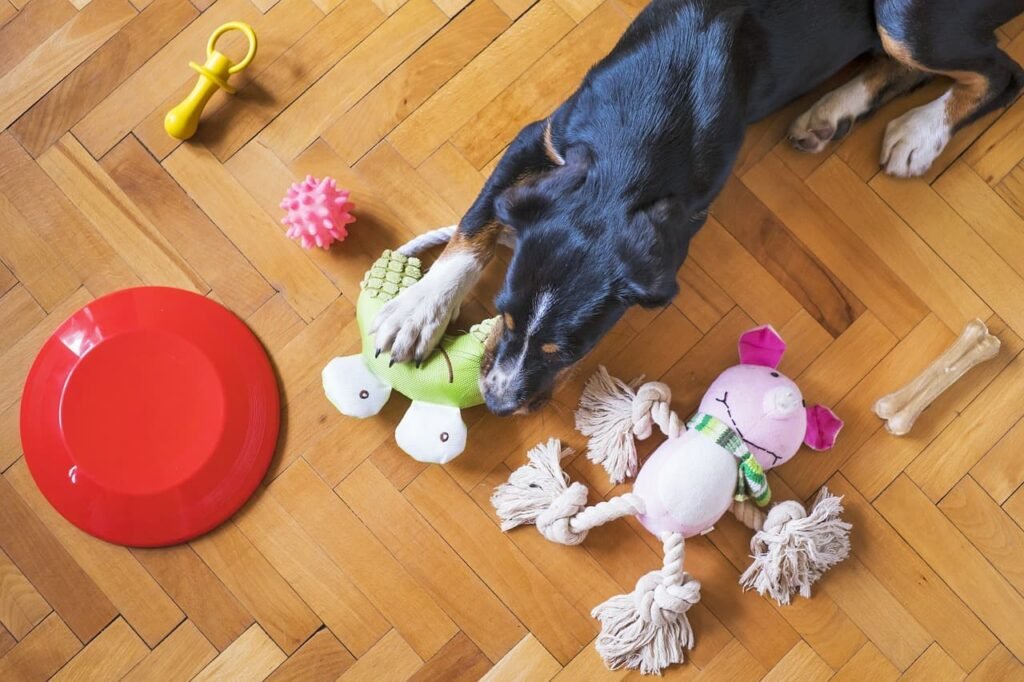
There’s nothing quite like watching your dog’s tail wag in pure delight as they chase, chew, and pounce on their favorite toy. Whether it’s a squeaky plushie, a sturdy chew bone, or a bouncy ball, these toys don’t just entertain—they enrich your dog’s life. Toys provide mental stimulation, help combat boredom, and even support physical fitness. However, amid the joy of play, there’s an essential factor every pet parent must consider: safety.
Dogs are curious and occasionally reckless explorers. A seemingly harmless toy can turn into a choking hazard, a source of toxic exposure, or a cause of injury if not chosen wisely. Think about it—would you hand your beloved furry friend something that could harm them? Of course not! Yet, the pet market is flooded with toys that might look fun but fail to meet safety standards.
This isn’t a reason to panic; it’s a call to empower. As dog owners, we hold the key to creating safe and enriching play experiences. By understanding potential risks, selecting appropriate toys based on our dog’s size, breed, and play style, and staying vigilant during playtime, we can ensure that every game of fetch or tug-of-war is pure, worry-free fun.
In this guide, we’ll dive into the world of dog toy safety, equipping you with the tools to make informed choices. From understanding which materials are safe to recognizing the warning signs of a dangerous toy, you’ll become a pro at safeguarding your pup’s playtime. Because when it comes to our four-legged family members, only the best—and safest—will do. Let’s explore how to keep tails wagging and paws clapping with the perfect balance of fun and safety.
Basic Tips for Dog Toy Safety
Every dog loves to play, but finding the right toy or way to play for your furry friend isn’t just about fun—it’s about safety too! With countless toys on the market, it can be tricky to know which ones are best for your pup. You want something they’ll enjoy, but you also want to make sure it’s safe, durable, and suitable for their size and chewing habits.
A good dog toy can keep your pet entertained, help them stay active, and even improve their dental health. But the wrong toy could pose risks, like choking hazards or harmful materials. That’s why it’s important to know what to look for when picking out toys for your dog.
In this blog, we’ll guide you through everything you need to consider, from choosing the right size and material to identifying toys that suit your dog’s play style. Whether your dog loves to chew, fetch, or cuddle with stuffed animals, we’ve got tips to help you make the safest choice. After all, a happy dog is a healthy dog, and that starts with safe play! Let’s dive in and find the perfect toy to keep your pup wagging their tail.
Toy Choice Based on Dog Size
You want something your dog can actually play with, not something they’ll swallow whole or drag around like it’s their oversized gym bag. Imagine your Chihuahua trying to wrestle with a toy meant for a Cane Corso… Like here, have fun lol. Which we all know at least one if not a few Chihuahuas that would give it a go! For small dogs, toys should be small enough to fit comfortably in their mouths but large enough to avoid being swallowed. For medium to large sized dogs bigger and more durable toys are key. Matching the toy size to your dog’s breed helps prevent accidents and ensures they can fully enjoy their playtime without frustration or risk. So, just like Goldilocks, the toy has to be just right!
Toy Material Matters
Choosing the right material ensures the toy will last longer and provide safe, enjoyable playtime based on your dog’s size and chewing style. Plush toys are perfect for small dogs who love to cuddle, while soft rubber toys are gentle on their teeth and great for light chewing. Medium-sized dogs may need a balance between soft and durable, so look for toys made of stronger rubber or nylon that can handle more active play without being too tough. Larger dogs, with their powerful jaws, need extra-durable materials like hard rubber, thick nylon, or heavy-duty rope. These materials can withstand aggressive chewing and rough play without breaking or becoming a choking hazard. Choosing the right material ensures the toy will last longer and provide safe, enjoyable playtime based on your dog’s size and chewing style.
Avoid Toys With Harmful Chemicals
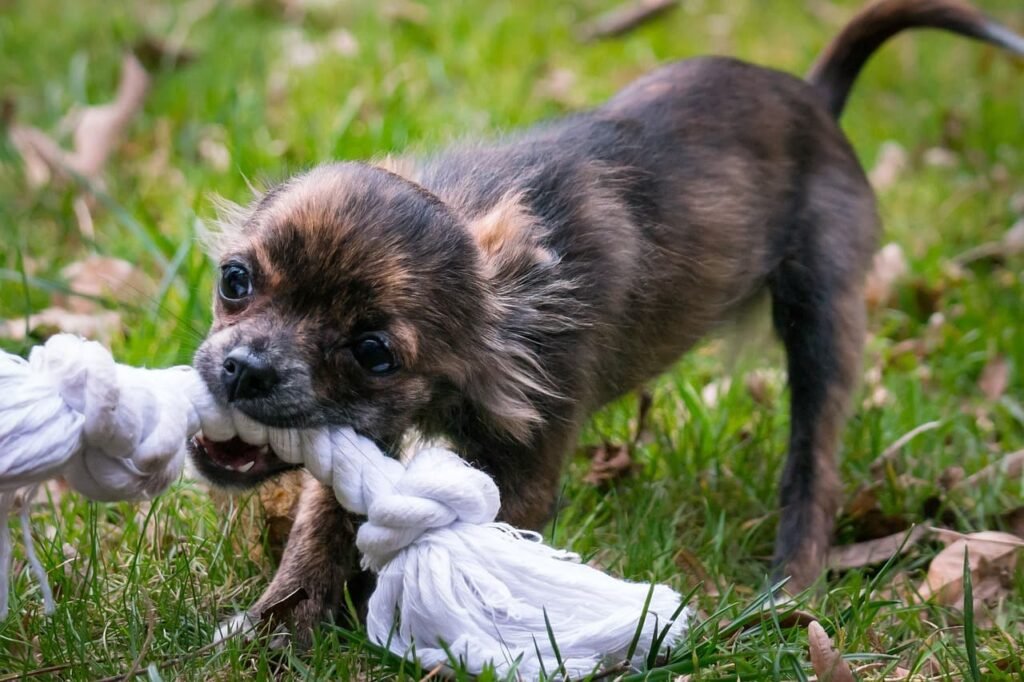
When choosing toys for your dog, it’s important to avoid those made with harmful chemicals. Just like humans, dogs can be affected by toxic materials, and since they tend to chew, lick, and bite their toys, any dangerous chemicals used in the toy’s production can be ingested. Some cheap dog toys may contain harmful substances like BPA (bisphenol A), lead, phthalates, or toxic dyes. These chemicals can lead to health issues such as digestive problems, respiratory issues, and in severe cases, long-term illnesses like cancer.
To ensure your dog’s safety, always look for toys that are labeled as non-toxic, BPA-free, and made from safe materials. Toys made specifically for pets from reputable brands are usually safer, as they often adhere to stricter safety standards. Avoid using old household items like shoes or plastic containers as toys, since these might contain chemicals or sharp edges that can harm your dog.
Rubber, cotton, and nylon toys are generally safe options, especially when marked as non-toxic. Additionally, natural and eco-friendly toys made from organic materials are great choices for health-conscious pet owners. Always inspect the toy’s label or research the manufacturer to confirm that the materials used are safe for your pet. By making thoughtful, informed decisions about your dog’s toys, you can protect their health and ensure they enjoy safe playtime.
Lean Toward Easy to Clean Dog Toys
Let’s face it—dog toys can get gross fast! From slobber to dirt, your dog’s favorite toy can quickly turn into a sticky mess. That’s why choosing easy-to-clean toys is a win-win for you and your furry friend. Rubber and silicone toys are top picks because they can be rinsed off in seconds or even tossed in the dishwasher. After a muddy game of fetch, you don’t want to spend hours scrubbing a grimy ball! Hard plastic toys are another great option, as they’re tough, durable, and wipe down easily with a damp cloth.
For the plush toy lovers, you’re not out of luck! Many stuffed toys are machine washable, so when that squeaky teddy bear starts looking like it’s had better days, you can toss it in the wash and have it looking (and smelling) fresh again. Just check the label for washing instructions.
Choosing easy-to-clean toys isn’t just about convenience—it helps keep your dog healthy too. Regular cleaning prevents bacteria buildup that can cause infections or make your dog sick. So, the next time you’re shopping for dog toys, think beyond the fun factor and grab something that won’t make cleaning feel like a chore. After all, you and your dog should both enjoy playtime without worrying about what’s lurking on that favorite chew toy!
Choose According to Playstyle
Every dog has a unique way of playing, and selecting the right toy based on their preferences ensures they stay entertained and engaged. If your dog loves to fetch, go for balls, frisbees, or anything that can be thrown and easily retrieved. These toys satisfy their need to run and chase while keeping them active. If your dog is more mentally driven, puzzle toys or treat-dispensing toys can challenge their brain while keeping them busy. These toys make dogs work for their rewards, which is great for mental stimulation, especially for intelligent breeds. For dogs that enjoy chewing, durable chew toys made from tough rubber or nylon are ideal. These toys help keep their teeth clean and provide a safe outlet for their chewing instincts. Dogs who love to tug will appreciate sturdy rope toys or tugging toys with strong handles. These are perfect for interactive play with you or other dogs. Lastly, if your dog is a cuddler, soft plush toys can offer comfort and companionship. Just make sure to choose well-made plush toys without small parts that can be chewed off. By identifying your dog’s preferred playstyle, you can pick the perfect toy that suits their needs, making playtime more enjoyable and ensuring they stay happy and engaged.
Squeaky vs. Silent: The Debate
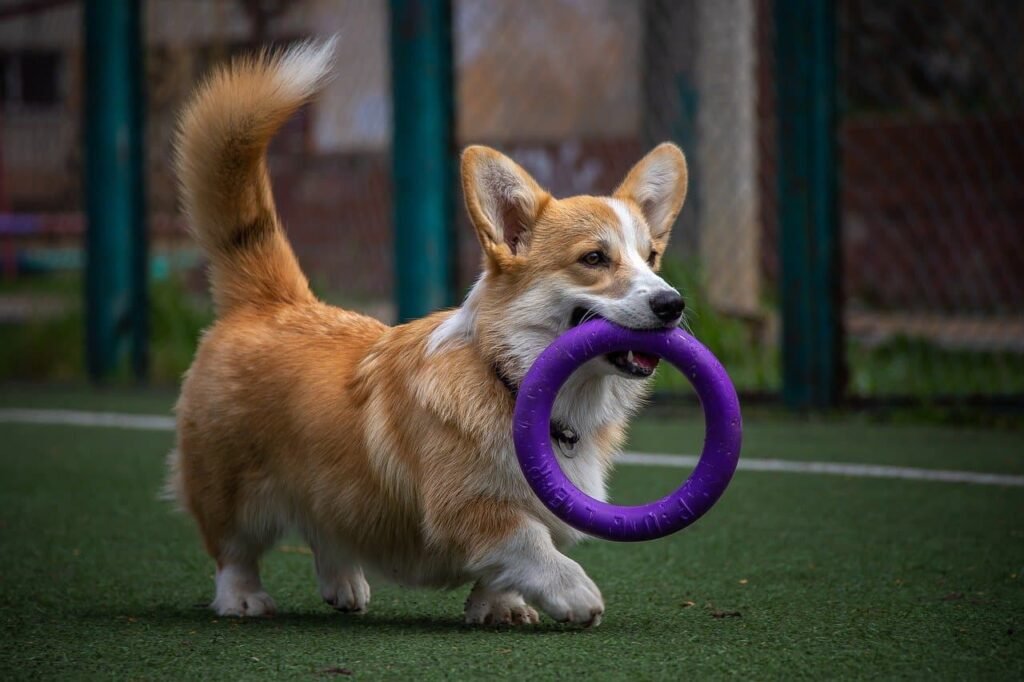
Choosing between squeaky or silent dog toys is like deciding between peace and chaos. On one hand, squeaky toys are your dog’s dream come true—a delightful noise machine that seems to say, “Keep biting, you’re doing great!” Every bite rewards them with that high-pitched squeak, and your dog will be on cloud nine, happily squeaking away… for hours. And while that squeaky toy may be your dog’s best friend, you’ll soon realize it’s your enemy, haunting your every quiet moment like a never-ending alarm.
Now, silent toys? Ah, the glorious silence. These magical creations let your dog chew, fetch, and toss to their heart’s content without a single squeak. Your ears stay intact, and you can finally watch TV without background noise resembling a rubber ducky under attack. But here’s the catch: some dogs think silent toys are like watching TV on mute—what’s the fun if there’s no sound?
So, what’s your choice? Do you embrace the squeaky chaos, knowing it’ll bring your dog endless joy (and test your patience), or opt for the blissful calm of a silent toy and hope your dog doesn’t get bored? Either way, the squeaky vs. silent debate is one all dog parents must face. Just remember: your sanity is on the line!
In a Rush Go Plush
There’s something magical about plush dog toys. No matter how many high-tech, indestructible gadgets you offer your pup, they always seem to gravitate toward that soft, squishy stuffed animal that’s just begging to be shredded. It’s as if plush toys are calling to dogs like, “Hey, buddy, wouldn’t you love to rip me limb from limb?” And of course, your dog happily accepts the challenge. The appeal starts with the texture. Plush toys are like the dog version of a fluffy pillow—you know, the kind you cuddle with when no one’s looking. They’re soft, comforting, and perfect for gentle snuggles… right before they morph into chew targets. Add a squeaker inside, and suddenly, you’ve got a toy that’s not only comforting but also talking back! Nothing thrills a dog quite like sinking their teeth into a plush toy and hearing that squeaky protest. But let’s be honest: the life expectancy of a plush toy is hilariously short. It’s almost like dogs see plush toys as a challenge. They seem to think, “I wonder how fast I can get the stuffing out of this one!” Before you know it, you’re knee-deep in fluff, watching your dog parade around proudly with the now hollow, floppy carcass of what was once a cute stuffed bear. Yet, despite their short lifespan, plush toys remain a doggy favorite. Maybe it’s the satisfying combination of softness, squeakiness, and the joy of destruction that makes them irresistible. Or maybe our dogs just love watching us vacuum up stuffing for the thousandth time. Either way, the plush toy reigns supreme in the kingdom of dog toys—until the next one comes along to meet the same fluffy fate!
What Does Your Dog Actually Like ???
Understanding your dog’s tastes can feel like trying to crack a secret code. You may spend hours at the pet store, carefully selecting the perfect toy, only to find your dog more interested in the packaging it came in. You get them an elaborate puzzle toy to test their genius, but they give you a blank stare and go back to chewing on a stick they found outside. Perhaps your dog’s favorite toy isn’t even a toy at all—it’s your left shoe. The truth is, dogs can be picky—and hilarious—when it comes to toys. Try a variety of toys to see if they prefer to chew, tug, or fetch. Spoiler alert: they may love something today and completely ignore it tomorrow. Just remember, no matter how fancy the toy, your dog’s happiness may still revolve around that crumpled old tennis ball they’ve had for years. And really, that’s just part of their charm!
Age before Beauty
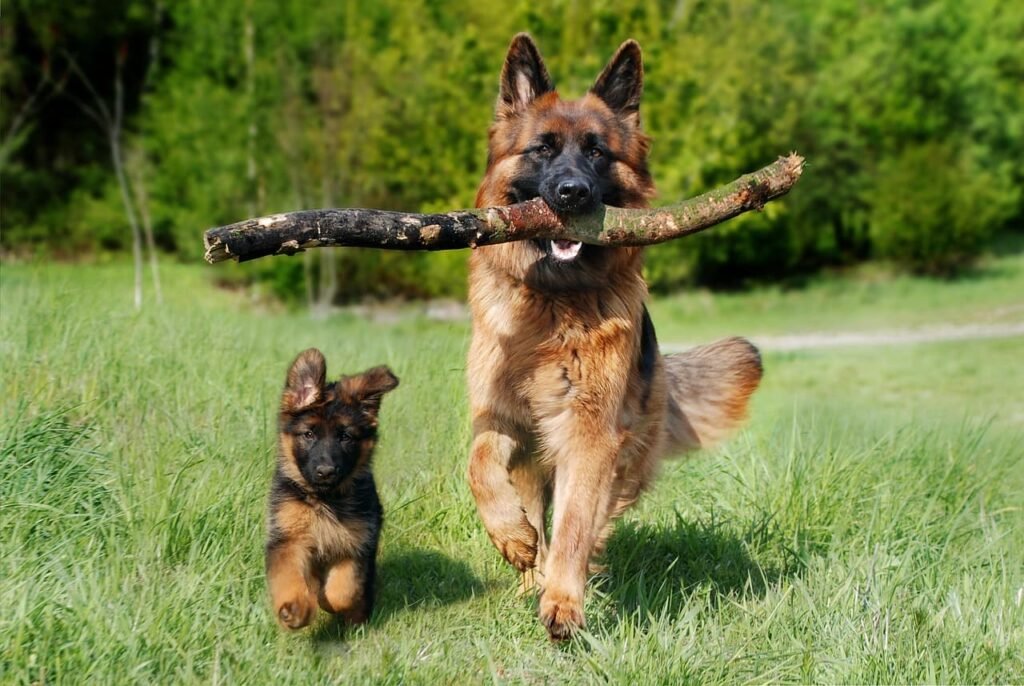
When it comes to dog toys, age is more than just a number—it’s a big deal! A puppy’s toy needs are very different from a seasoned old-timer’s, and if you don’t get it right, you’ll quickly find out. Let’s start with puppies. These little fur tornadoes will chew on anything within paw’s reach: shoes, furniture, your favorite book… Everything’s fair game. So, it’s crucial to pick toys that are soft and gentle on their tiny, razor-sharp teeth but durable enough to survive the puppy apocalypse. Think teething toys made of rubber or fabric that can withstand those baby chomps and give them something better to gnaw on than your sofa.
Now, enter the teenage dog—full of energy and attitude. They need toys that challenge their zoomies and keep them out of trouble. Puzzle toys or fetch-friendly options are a must to burn off that boundless energy before they turn your house into their personal racetrack. It’s all about durability here, too—these dogs play hard, and a toy that’s flimsy will end up as fluff on your living room floor in minutes.
For the older, wiser dogs, the approach changes. Their teeth aren’t what they used to be, and while they might still have some playfulness left, comfort takes center stage. Senior dogs appreciate softer toys, maybe something plush they can cuddle with or a gentle chew toy that doesn’t require a trip to the dentist. They’ve earned it, after all—years of toy-shredding service!
So, whether your dog is a wild pup or a seasoned snuggler, choosing the right toy for their age is key to keeping them happy, healthy, and (mostly) out of trouble!
It’s Always Wise to Supervise
Supervising your dog while they play with their toys isn’t just a good idea—it’s essential for their safety. Even the most durable toys can become hazards if left unchecked. You think, “Oh, they’re just playing with their toy, what could go wrong?” And then, two minutes later, your dog has somehow turned a squeaky chicken into a confetti explosion of stuffing, squeaker parts, and pure chaos. Supervision isn’t just about safety; it’s about witnessing the hilarious (and sometimes ridiculous) antics that come with your dog’s playtime. Plus, there’s the added bonus of catching those priceless moments when your dog’s too ambitious for their own good—like trying to fit an entire rope toy in their mouth or attempting to fetch a ball that’s clearly too big to grab.
Conclusion: Choosing the right toy for your dog involves considering their size, age, play style, and safety. A well-chosen toy can keep your dog engaged, entertained, and out of trouble while promoting healthy chewing and mental stimulation. By keeping these points in mind, you can ensure your dog has a fun and safe playtime experience every day!
Leave a Reply