Pawsitive Beginnings: Basic Canine Training
Whether you’re a first-time dog owner, Searching for an addition to your already furry little family or an experienced handler, this Article will offer practical tips and suggestions that will strengthen the bond between you and your pooch. From basic obedience to solving common behavior problems, each Key Point is designed to help your dog thrive in any environment. Through positive reinforcement and clear communication, you’ll discover how to transform your dog’s behavior while building trust and respect. Start your journey today and enjoy a lifetime of joy and companionship with your well-trained dog!
Understanding Behavior
A dog’s behavior is a reflection of its environment and it is the responsibility of the owner to shape that environment into the desired behavior of their dog. Recognizing typical behaviors such as tail wagging, barking, growling, or body posture allows you to interpret how they’re feeling and respond appropriately. For instance, a dog wagging its tail might be happy, but if the tail is stiff, it could be a sign of anxiety or aggression. Barking may indicate excitement, fear, or a desire for attention. By understanding these behaviors, you can better manage your dog in different situations and reinforce positive behaviors through rewards or redirection.
Dogs also exhibit behavior patterns when stressed or uncomfortable, such as pacing, panting, or excessive licking. Knowing what is normal for your dog enables you to detect when something is wrong, whether it’s a health issue or emotional discomfort. This can prevent unwanted behaviors, like chewing or aggression, by addressing the underlying cause instead of just the symptoms.
Triggers are specific stimuli that provoke a reaction in your dog, such as loud noises, certain people, or other animals. Identifying these triggers helps prevent situations that could cause distress or aggressive responses. A dog that reacts to strangers could require slow, controlled introductions in a non-threatening environment.
By being aware of your dog’s triggers, you can anticipate their reactions and guide them toward positive coping mechanisms. Training and gradual desensitization can often help reduce the impact of these triggers over time, improving your dog’s quality of life. Being proactive also ensures your dog’s safety and the safety of others, as certain triggers can provoke defensive or aggressive behaviors that might harm other animals or people.
-
Understanding Personality
Each dog has its own unique personality, shaped by genetics, experiences, and environment. Some dogs are naturally energetic and playful, while others may be more reserved or independent. Understanding your dog’s personality helps tailor your interactions, training, and activities to suit their preferences and needs. For instance, a high-energy dog will require more physical exercise and mental stimulation than a laid-back dog, which may prefer quieter activities.
Knowing your dog’s personality also helps you recognize what types of environments and social interactions are best suited for them. A social dog may thrive in group settings like dog parks, while a more timid dog might feel overwhelmed in such situations and prefer one-on-one play.

Patience, Persistence, and Consistency
-
Patience – Patience is essential when training a dog because learning takes time, and dogs thrive on consistent, calm guidance. Rushing or getting frustrated can confuse the dog, making it harder for them to understand what you want. Being patient helps build trust, strengthens the bond between you and your dog, and ensures long-lasting results. Think of training a dog like teaching a child to ride a bike. You wouldn’t expect them to get it on the first try. You’d guide them slowly, encourage them after each wobble, and celebrate every small success. The same goes for your dog—patience leads to progress!
-
Persistence- Persistence is key when training a dog because it helps them learn through repetition. Dogs need time to understand new commands and behaviors, so sticking with a training routine, even when progress seems slow, is essential. Regular practice reinforces good behavior and helps avoid confusion, making it clear what is expected. Patience and persistence build trust between the dog and owner, creating a positive learning environment. In the long run, being persistent leads to a well-trained, confident dog that responds reliably to commands.
-
Consistency- Consistency is vital when training a dog because they need to solidify what’s expected of them. By using the same commands, rewards, and rules every time, dogs learn faster and build good habits. Without consistency, a dog can become confused, unsure of what behavior is right or wrong. Repeating the same actions and instructions reinforces the desired behavior, making training more effective and creating a well-behaved, confident dog. Plus, consistent training strengthens the bond between you and your dog by building trust and clear communication.
The Role of Positive Reinforcement
Positive reinforcement is a humane, effective, and enjoyable method for training dogs, promoting a trusting relationship and long-lasting behavioral changes. This approach is particularly important because dogs, like humans, respond better to positive feedback than to negative consequences. When a dog receives a treat, praise, or affection after performing a desired action, it learns to associate that behavior with a positive outcome. Consistency and timing are key—rewarding the dog immediately after it performs the desired behavior helps the dog make the connection between the action and the reward, allowing the trainer to focus on what the dog is doing right, helping to shape behavior gradually without harsh corrections. Although Dogs trained with positive reinforcement tend to be more confident, willing, and happy to engage in training sessions, beware of too much praise over time. Once your puppy begins to mature it should take less treats, praise, or affection for it to obey as your bond will be strong!
Potty Training
Don’t Rub my nose in it. We’ve all messed up before and maybe used this phrase after doing so. Well unfortunately for dogs this is the old school way of potty training. In my Opinion the most important thing to remember when potty training is to have a consistent routine and continue to use positive reinforcement. Set a timer and keep treats on hand. Taking the dog to the same exact spot every time and using verbal cues such as ‘go potty’ establishes a consistent routine that helps the dog be more successful. Of course the best part is each time they’re successful, rewarded with a treat and praise.
Basic Commands Every Dog Should Know
Commands like “sit,” “stay,” “come,” and “leave it” are essential for daily life, helping dogs understand boundaries and respond in different situations. These simple instructions can prevent accidents, keep dogs out of dangerous situations, and make daily interactions smoother and more enjoyable. Mastering these commands also helps dogs feel secure with their owner and in their environment.
Leash Training and Walking Etiquette
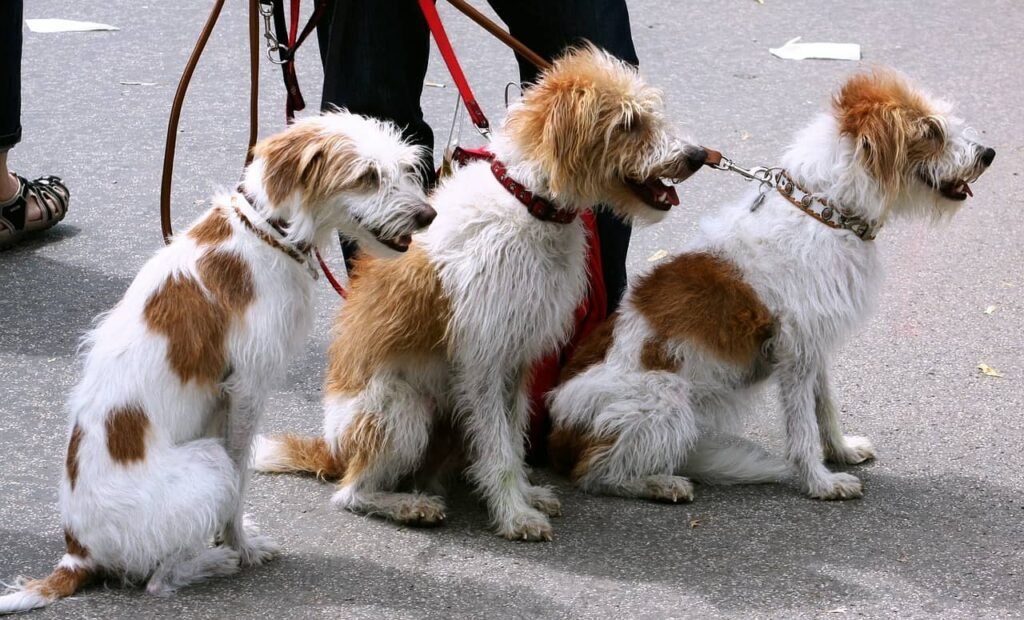
Lease training is important because it teaches your dog how to walk calmly beside you without pulling or running off. Leash training is especially important when you have a large breed dog. When your dog is leash trained properly it makes walks more relaxed and enjoyable as you and your dog trust each other. It is recommended to start leash training in either your backyard or more controlled environment so that you can learn triggers safely.
Socialization
Socialization is very important for your dog because it helps them to learn to behave around other animals and people in new places. The rate at which you introduce your dog varies based on the temperament and age of your dog. A puppy, especially younger ones, are more ready and able to meet and greet versus a dog that is already grown. Puppies are still able to shape their personalities and temperaments as they’re still learning because they are very young. This is the importance of understanding your dog and knowing if it needs a more controlled environment when starting to socialize with new pets or humans.
Crate Training
When done right, crate training can make life easier for both you and your dog. A crate is like a little den for your dog—a place where they can relax, feel comfortable, and have their own space. Dogs naturally seek out small, enclosed spaces where they can rest. Crate training is also helpful for potty training. Dogs don’t like to go to the bathroom where they sleep, so a crate helps teach them to hold it until it’s time to go outside. By creating a routine where they go outside regularly, they learn when and where it’s okay to go. This makes potty training quicker and more effective. While some people may worry that keeping a dog in a crate is unfair, it’s actually a tool that can provide safety, comfort, and structure—if used properly. That’s why it’s important to make sure that crate training is a positive experience for your dog. Never use the crate as punishment. Instead, make it a happy place with soft bedding, QUIET toys, and treats. Let your dog get used to the crate slowly. Start with short periods of time, and gradually increase how long they stay in the crate. Always be patient and gentle with your dog during this process.
Handling Behavioral Issues
If left unchecked, these behaviors can get worse over time, leading to safety risks, stress for the owner, and even problems with neighbors or visitors. Early training not only helps stop unwanted behaviors but also improves the dog’s confidence and makes them easier to manage in different situations. By using positive reinforcement, setting clear boundaries, and being patient, you can effectively handle common behavioral issues like biting, barking, and jumping. This helps your dog become a well-behaved member of the family, making life more enjoyable for both you and your furry friend.
Biting
Biting is one of the most serious behaviors that needs to be corrected immediately. Dogs may bite out of fear, play, or aggression, but no matter the reason, it can lead to dangerous situations for people and other animals. Teaching your dog that biting is not acceptable is important for their safety and the safety of others.
To handle biting, start by teaching the dog gentle play and discouraging rough play with hands or feet. If the dog bites, stop playing immediately and give them a toy to chew instead. Socializing the dog with people and other dogs also helps reduce fear or aggression, which can lead to biting. Consistent training and positive reinforcement will help teach the dog proper behavior.
Barking
Dogs bark to communicate, but excessive barking can be a problem. They might bark out of boredom, excitement, fear, or to alert their owner. While it’s natural for dogs to bark sometimes, barking too much can be disruptive.
To manage barking, it’s important to understand why your dog is barking. If it’s out of boredom, make sure they get enough physical exercise and mental stimulation. For barking at strangers or loud noises, desensitize the dog by slowly exposing them to the sounds or situations in a controlled way. Use rewards when they stay calm. Training commands like “quiet” can also be effective when paired with treats and praise.

Jumping
Jumping is a common way for dogs to greet people, but it can be overwhelming, especially for small children or elderly individuals. Dogs jump to get attention or because they’re excited, but it’s not always safe or polite.
To prevent jumping, don’t reward the behavior by giving the dog attention when they jump up. Instead, ignore the dog until all four paws are on the ground, then reward them with a treat or praise. Teaching them to “sit” when they greet people is a great way to replace jumping with a calmer behavior. Be consistent in training and make sure all family members follow the same rules.
Advanced Training and Mental Stimulation
Dogs, like people, need both physical exercise and mental stimulation to stay happy and healthy. Advanced training and mental stimulation go beyond the basics like “sit” and “stay” and challenge dogs to use their brains in new and exciting ways. This is especially important for dogs because it helps keep them from getting bored, misbehaving, or feeling frustrated.
Why Advanced Training?
Basic commands are important, but advanced training teaches your dog more complex behaviors and builds on what they already know. This can include things like learning to fetch specific items, performing tricks, or following multiple-step instructions. Advanced training keeps dogs engaged and focused, which makes them more confident and well-behaved.
For example, advanced training can help dogs develop better impulse control. If a dog learns to sit and wait before running after a toy, they are practicing patience and focus. This type of training is especially useful for high-energy dogs or working breeds that need extra challenges to stay satisfied.
Another benefit of advanced training is that it strengthens the bond between you and your dog. Dogs enjoy learning new things, and they love pleasing their owners. When you train together, it builds trust and communication, making your dog more responsive to your commands and deepening your relationship.
The Importance of Mental Stimulation
Dogs are naturally curious animals that love to explore and solve problems. Without enough mental stimulation, they can become bored, which often leads to bad behavior like chewing on furniture, digging, or excessive barking. Providing mental stimulation helps prevent these issues and keeps dogs entertained and happy.
There are many ways to give dogs mental stimulation. Puzzle toys, where they have to figure out how to get a treat out of a toy, are a great option. You can also teach your dog new tricks, hide their food around the house for a “treasure hunt,” or play games like hide and seek. These activities make your dog think and give them a sense of accomplishment when they figure out the challenge.
Training also provides mental stimulation. When a dog learns a new command or trick, they use their brain to understand what you want from them. The more they learn, the more they develop their problem-solving skills. Even simple things like practicing old commands or mixing up your daily walk route can make a big difference.
Exercise for the Mind and Body
Mental stimulation and advanced training work hand in hand with physical exercise. A tired dog is a happy dog, but that doesn’t just mean running or playing fetch. Dogs need to exercise both their bodies and their brains to stay balanced. After a long walk or play session, a mentally stimulating puzzle or training session helps keep them engaged and satisfied.
Advanced training and mental stimulation are key to a dog’s overall well-being. They help prevent boredom, keep your dog mentally sharp, and strengthen the bond between you and your pet. By challenging your dog’s mind and body, you’ll have a happier, better-behaved companion who loves learning and spending time with you.
In the end, basic training is about building a relationship of trust, respect, and understanding between you and your dog. It sets the foundation for more advanced training and ensures your dog knows how to behave in everyday situations. Whether you’re at home, at the park, or around other people and pets, a well-trained dog is a joy to be around. Remember, dogs are eager to please, and they love structure and routine. When you dedicate time to basic training, you’re giving your dog the tools they need to thrive in your home and in the outside world. With just a little time each day, you can make a big difference in your dog’s behavior and happiness.
So, start small, be consistent, and have fun. Your dog will love the attention and rewards, and you’ll love having a loyal, well-behaved companion by your side!

Leave a Reply